In This Article
Japan has been at the top of our readers' wish lists for years — and in 2026, there has never been a better moment to finally go. The yen is at historically favourable levels for sterling holders, direct flights are plentiful and competitively priced, and Japan's world-class transport network makes it one of the most straightforward long-haul destinations you can visit without a package tour.
We sent our Japan specialist Sarah Hennessy back in spring 2026 to update this guide from scratch. Everything below is current — prices, transport tips, hotel recommendations and all the things that have changed since the post-pandemic travel boom hit the country.
Why Japan in 2026?
Japan spent three years virtually closed to international tourism. The pent-up demand when it reopened in late 2022 was extraordinary — and it still hasn't subsided. But 2026 is a particularly interesting moment to visit, for several reasons.
The Japanese yen remains exceptionally weak against the pound. At time of writing, £1 buys around ¥195–200, compared to a historical average closer to ¥140–150. In practical terms this means Japan is roughly 25–30% cheaper for UK visitors than it was five years ago. A bowl of ramen that would have cost you the equivalent of £7 now costs closer to £4. A night in a mid-range hotel that was £120 is now £85. The savings add up quickly over a two-week trip.
Japan also sits on our list of the 10 most trending destinations for 2026 — partly for the currency advantage, but also because it continues to offer a travel experience genuinely unlike anywhere else on earth.
💴 Currency note: Japan is still largely a cash society. Withdraw yen at 7-Eleven ATMs (widely available, accept foreign cards, offer fair exchange rates) rather than exchanging cash at the airport. Take more than you think you'll need — many restaurants, shrines and rural attractions don't accept cards.
Best Time to Visit
Japan has four very distinct seasons, each with its own appeal. The best time depends entirely on what you want from the trip.
🌸 Spring (Late March – Early May) — BEST
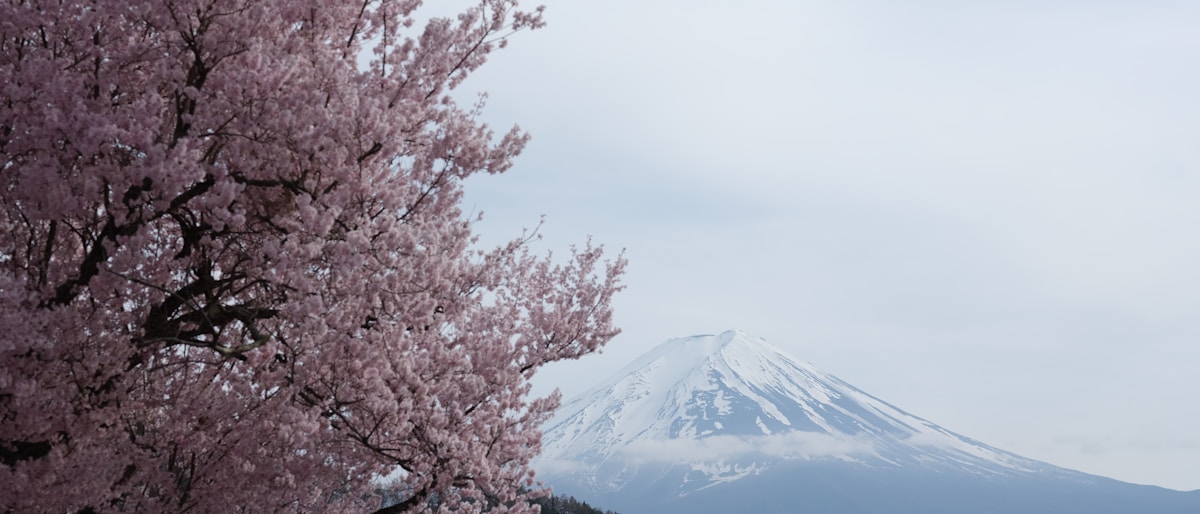
Cherry blossom season. The entire country erupts in pale pink for 2–3 weeks — one of the great natural spectacles on earth. Temperatures are mild (12–18°C). Peak crowds in the first two weeks of April but absolutely worth it.
🍁 Autumn (October – November) — BEST
Autumn foliage rivals spring blossom for beauty. Crisp weather (12–20°C), fewer crowds than spring, and lower prices. Kyoto's temple gardens in November are extraordinary. Our top pick for first-time visitors.
❄️ Winter (December – February)
Excellent for skiing (Hokkaido, Nagano), hot spring bathing and Kyoto without crowds. Cold in Tokyo (3–10°C). Christmas and New Year are very expensive — avoid if budget-conscious.
☔ Summer (June – September) — AVOID
Rainy season in June/July followed by extreme heat and humidity (35°C+) in August. Very busy and expensive. Only worthwhile if you're specifically coming for summer festivals.
🌸 Cherry blossom tip: The bloom date shifts by up to two weeks year to year depending on winter temperatures. Check the Japan Meteorological Corporation's official forecast in February. Don't book non-refundable accommodation too far ahead without checking it first.
Tokyo
Tokyo — Where to Begin
🇯🇵 Capital city — plan at least 4–5 days
Tokyo is unlike any city you've ever visited. It's enormous — 37 million people in the greater metro area — yet spotlessly clean, extraordinarily safe, and navigated with a public transport system of near-supernatural efficiency. Allow at least 4 full days and you'll still feel you've barely scratched the surface.
Don't miss: Shinjuku at night (neon-lit streets, Golden Gai, Omoide Yokocho), Shibuya Crossing at rush hour, the temple at Senso-ji in Asakusa (arrive before 8am to avoid crowds), the teamLab Planets digital art museum in Toyosu, and a day wandering the backstreets of Shimokitazawa or Yanaka for a glimpse of old Tokyo. The Tsukiji outer market is still excellent for a sushi breakfast even though the inner market moved to Toyosu.
Eat: Tokyo has more Michelin stars than any other city in the world. But some of the best meals cost almost nothing — a bowl of tonkotsu ramen from a standing noodle bar, a plate of freshly-made takoyaki from a street stall, or a set lunch at a department store basement food hall. Budget ¥800–1,200 (£4–6) per meal if you eat like a local.
Kyoto
Kyoto — Japan's Cultural Soul
🇯🇵 Kansai region — 2.5 hrs from Tokyo by Shinkansen
Kyoto was Japan's imperial capital for over a thousand years, and it shows. The city has more UNESCO World Heritage sites than anywhere else in Japan — 17 temples and shrines, including some of the most iconic images in all of travel photography.
Fushimi Inari Taisha — the tunnel of 10,000 orange torii gates climbing the hillside — is the single most photographed site in Japan. Arrive before 6:30am if you want photos without crowds. The full hike to the summit takes 2–3 hours and is absolutely worth doing. Arashiyama is equally spectacular: bamboo groves, a monkey park, the beautiful Tenryu-ji temple garden, and the Ōi River running through it all. Go early morning again — the atmosphere before the tour buses arrive is magical.
For an evening in old Kyoto, walk the stone-paved lanes of Gion — the geisha district — after 6pm. You may spot a geiko or maiko heading to an appointment. The area around Ninenzaka and Sannenzaka at dusk in autumn is one of the great travel experiences in Asia.
Osaka
Osaka — Japan's Food Capital
🇯🇵 30 minutes from Kyoto by express train
If Kyoto is Japan's soul, Osaka is its stomach. The city has a reputation for food that borders on obsession — locals call it kuidaore, meaning "eat until you drop." The neon-lit streets of Dotonbori at night, lined with giant mechanical crabs, octopus vendors and ramen shops, are one of the great spectacles of urban Japan.
Don't miss Osaka Castle, the lively Kuromon Ichiba market (the "Osaka's kitchen"), and Shinsekai — a wonderfully retro neighbourhood that's been gentrifying slowly for decades. Most visitors combine Osaka and Kyoto in a single trip (staying in one, day-tripping to the other), which works well. From Osaka, you can also take an easy day trip to Nara — a small city where over 1,000 wild deer roam freely around ancient temples and you can feed them from your hand.
Hakone & Mount Fuji
Hakone — Fuji Views & Onsen
🇯🇵 90 minutes from Tokyo — perfect 2-night stop
Hakone is where most Tokyo-based visitors go to see Mount Fuji — a beautiful highland resort town built around Lake Ashi, hot spring onsen baths, and volcanic scenery. On a clear day, the view of Fuji reflected in the lake is the picture-perfect Japan of your imagination. On a cloudy day (Hakone is notoriously hazy), you see nothing — worth having a plan B.
The Hakone Open Air Museum is excellent — a large sculpture park with works by Picasso, Henry Moore and others, set against the mountain landscape. A ryokan (traditional Japanese inn) stay in Hakone is one of the great travel experiences: sleeping on futons, wearing yukata robes, bathing in private or communal onsen baths, and eating a multi-course kaiseki dinner by candlelight. Budget from £150 per person per night for a quality ryokan with dinner and breakfast included — expensive, but unforgettable.
Hiroshima & Miyajima
Hiroshima & Miyajima Island
🇯🇵 Western Honshu — 90 min from Osaka by Shinkansen
Hiroshima is a city that has rebuilt itself into something genuinely moving. The Peace Memorial Museum is one of the most powerful and important museums in the world — unflinching, deeply affecting, and essential. The preserved Atomic Bomb Dome (one of the few buildings to survive the blast, now a UNESCO site) stands at the epicentre as a permanent reminder. Allow a full morning — this is not a place to rush.
The contrast with a 30-minute ferry ride to Miyajima Island is extraordinary. Here, a giant red torii gate appears to float in the sea at high tide, backed by forested mountains and a 1,000-year-old shrine. Deer wander the paths. It's one of Japan's three "views of scenic beauty" (nihon sankei) and deserves its reputation entirely. Combine Hiroshima and Miyajima into a single long day trip from Osaka or Kyoto, or spend a night on the island for a quieter, more atmospheric experience.
Getting There from the UK
Japan's main international hub is Tokyo Narita (NRT) or Haneda (HND) — both well connected to central Tokyo, with Haneda being the closer of the two. Osaka's Kansai International Airport (KIX) is a good alternative entry point if you're planning to start in the Kansai region.
Direct Flights
British Airways and Japan Airlines (JAL) operate direct Heathrow–Tokyo flights daily. Flight time is approximately 12–13 hours. All Nippon Airways (ANA) also flies direct from Heathrow. Direct flights are the most comfortable option given the distance.
Budget fares with one stop (typically via Dubai, Doha, Helsinki or Amsterdam) can save £200–400 on a return ticket. Airlines including Emirates, Qatar Airways, Finnair and KLM offer competitive one-stop fares from regional UK airports, which is worth considering if you're not near London.
✈️ Best time to book: Aim for 4–6 months ahead for the best fares. Spring travel (cherry blossom season) sells out fastest — book 6 months ahead for March–April trips. Expect to pay £700–1,000 return for direct flights, or £500–750 for one-stop fares.
Getting Around Japan
Japan's rail network is the finest in the world and getting around is a genuine pleasure. The key things to know:
Japan Rail Pass
The JR Pass gives unlimited travel on almost all Japan Railways services — including bullet trains (Shinkansen) — for a fixed period. A 14-day pass costs approximately £450–500 and pays for itself quickly on a Tokyo–Kyoto–Osaka–Hiroshima itinerary. Buy online before you leave the UK (you can't purchase at standard price once in Japan). It does not cover all services — notably the Nozomi and Mizuho Shinkansen services, which are the fastest — but the slightly slower Hikari and Sakura trains are covered and only add 10–20 minutes to journeys.
IC Cards (Suica / Pasmo)
Load an IC card — a rechargeable smart card — for all local travel: city metro, buses, convenience store purchases, and vending machines. The Suica card (Tokyo) and Pasmo (Osaka/Kyoto area) work almost everywhere in Japan. Add one to your Apple Pay or Google Pay wallet before you go — you can now do this from the UK and it removes the need for a separate physical card.
Taxis
Japanese taxis are extremely clean, driven with white-gloved precision, and very expensive. Use them only when no other option is available. The doors open and close automatically — do not try to open them yourself (a common tourist mistake).
Budget Breakdown
Japan has a reputation for expense that is now outdated, thanks to the weak yen. Here's what a realistic two-week trip costs at different budget levels:
| Category | Budget (£) | Mid-Range (£) | Comfort (£) |
|---|---|---|---|
| Return flights (from London) | £550 | £800 | £1,200 |
| Accommodation (14 nights) | £420 (hostels/capsule) | £980 (3-star hotels) | £1,960 (4-star + ryokan) |
| Food (14 days) | £280 (local restaurants) | £560 (mix of local & tourist) | £840 (include fine dining) |
| Transport (JR Pass + IC card) | £480 | £520 | £550 |
| Attractions, activities, shopping | £150 | £300 | £600+ |
| Total per person (14 days) | ~£1,880 | ~£3,160 | ~£5,150 |
💡 Money-saving tip: Convenience stores (7-Eleven, FamilyMart, Lawson) sell genuinely excellent food — fresh sushi, onigiri, hot meals and pastries — at remarkably low prices. Eating from convenience stores for breakfast and one lunch per day can save £20–30 per day without any sacrifice in quality.
Cultural Tips & Etiquette
Japan has a different cultural framework to Western countries, and understanding a few basic rules makes the experience significantly more rewarding:
- Remove shoes when entering private homes, many traditional restaurants and ryokan — look for where others have removed theirs at the entrance
- No tipping — ever. Tipping is considered rude in Japan. Exceptional service is simply the standard
- No eating or drinking while walking — stand still to eat street food, then walk. The exception is soft ice cream cones
- Queue properly — Japanese queuing culture is taken seriously. On escalators, stand on the left (in Tokyo) or right (in Osaka) to let people pass on the other side
- Onsen rules: shower thoroughly before entering a communal bath. Tattoos are still banned at many traditional onsen — check before you book
- Bow as a greeting — a small nod is fine; deep bowing is for formal occasions. Handshakes are also acceptable with Western visitors
- Keep your voice down on public transport — loud conversations, phone calls and music without headphones are considered antisocial
- Rubbish bins are rare — carry a small bag for your litter. The streets stay immaculate because everyone takes their rubbish home with them
⚠️ Important: Some over-the-counter medicines common in the UK (including certain cold medicines and some painkillers containing pseudoephedrine or codeine) are illegal in Japan. Check Japan's customs authority list before packing your medicine bag. Prescription medicines require advance import permits.
🏆 Our Verdict
Japan is, in our view, the finest single travel destination in the world. No other country offers such a depth of cultural experience, such reliable infrastructure, such extraordinary food at every price point, and such consistency of quality across every region. It rewards repeat visits — people come back year after year and still find something new. With the yen at historically favourable levels, 2026 is an exceptional year for UK travellers to finally tick it off the list. Do it before the currency normalises.